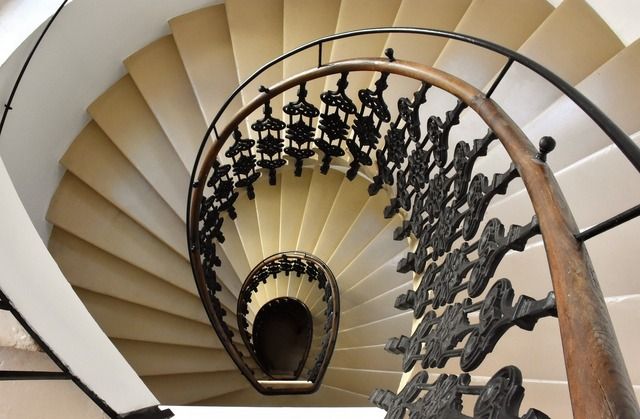
The spiral staircase is a design that is such a common and popular feature of modern buildings that many people don't realize it has such a rich and long heritage.
In fact, the history of spiral staircases goes back thousands of years.
Spiral staircase in an old castle
There is a reference in the Old Testament to the spiral staircase being part of Solomon's Temple. This may suggest that they were in use as early as about 1,000 BC.
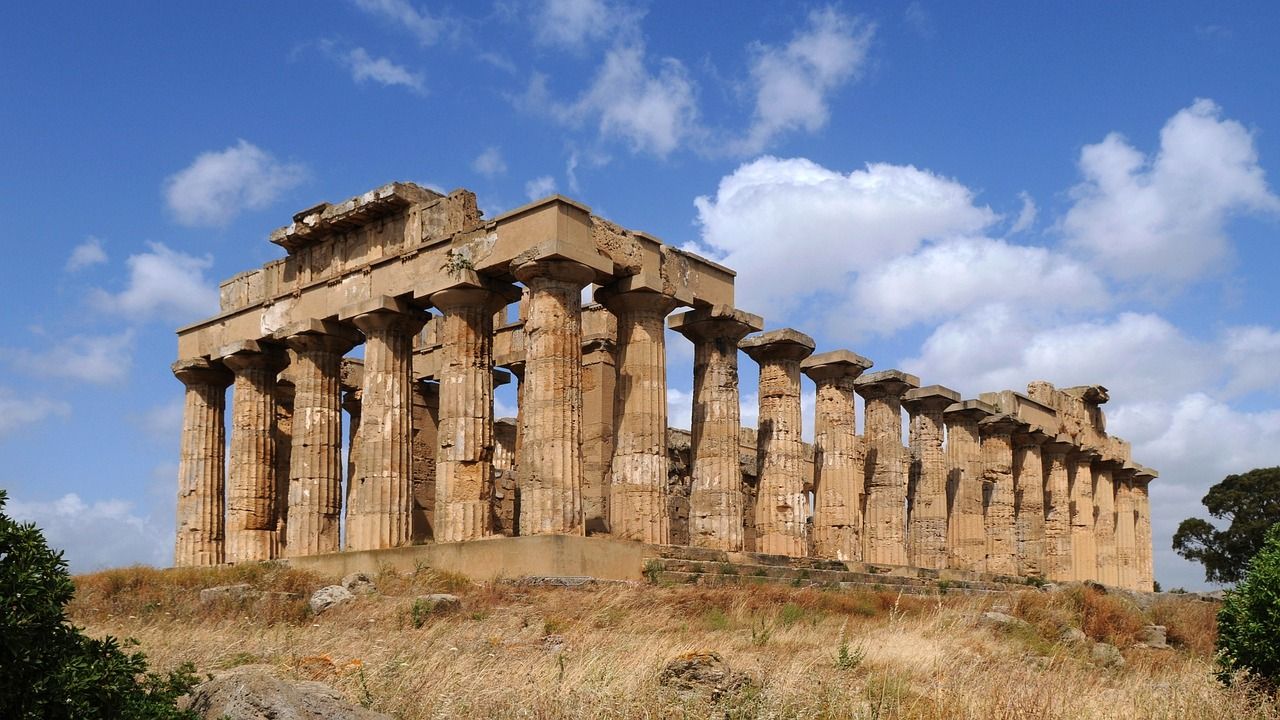
The temple at Selinunte in Sicily was built around 480 BC, and remains of an early form of spiral staircase have been found at the site.
The oldest spiral staircase, which are still standing today, can be found in Rome. They are located in Trajan's Column, which was built in 113 AD. A total of 185 steps led people from ground level to the inside of the 35-meter column. At the top was a platform from which a panoramic view of Rome could be enjoyed. Around this time, the spiral staircase began to find wider use in Roman architecture.
The first spiral staircases were carved from stone or marble and built directly into the walls of a building to support their weight. It wasn't until some time later that the spiral staircase design we know today developed - a free-standing structure in which the steps are mounted around a central column. From Roman times, the spiral staircase began to exhibit many classical features.
Stone spiral staircase
The influence of the Romans helped introduce spiral staircases more widely into building designs throughout Europe. Then in the Middle Ages, they became a well-established feature of many castles, in part because of the advantages they provided in defending against attackers.
Since the spiral staircase is quite narrow, it was impossible to carry out a mass attack, as attackers would have to enter one at a time, with little room to wield their weapons. Moreover, the spiral staircase in the castle was designed to rotate in a clockwise direction. This meant that the attackers' right hand (the arm with the sword) was at the narrowest part of the staircase, close to the central pillar. This made it virtually impossible for the attacker to use the sword effectively. In contrast to the attackers, those defending the castle had much more freedom of movement.
The defenders of the castle often enjoyed another advantage of the spiral staircase in the form of uneven steps! The castle's inhabitants were well aware of the layout of the staircase and could quickly retreat up it. Attackers, on the other hand, were more likely to trip and fall, especially in the dimly lit interiors of the staircase.
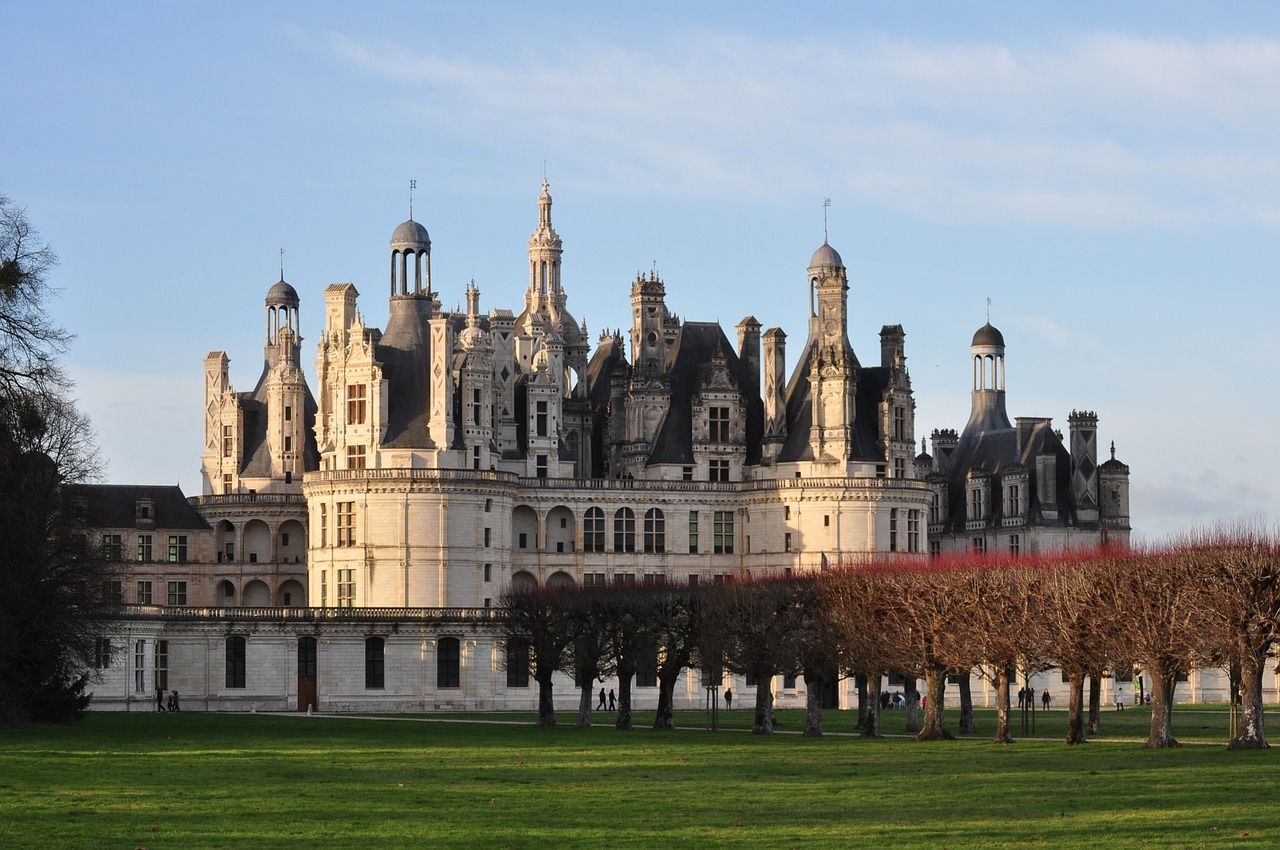
Spiral staircases are associated with kings and castles, so it's no surprise that they have become a desirable feature of homes for the wealthy. A prime example of this is the magnificent spiral staircase at the Chateau de Chambord in the Loire Valley, which was built in the early 16th century. The spiral staircase built at this chateau takes the form of two staircases, intertwined to form a double spiral. Many experts believe that this magnificent feat of design and engineering was the work of Leonardo da Vinci, who lived nearby at the time of its construction.
The spiral staircase in Rome
Spiral staircases were also increasingly placed in churches and cathedrals. They were a very practical and space-saving way to climb tall structures such as spires and bell towers. However, they also gave architects and builders a unique opportunity to highlight the beauty of spiral staircases.
Stairs at St. Paul's Cathedral.
In the UK, one of the most notable examples is the Dean Staircase at St. Paul's Cathedral. Designed by Sir Christopher Wren, this world-famous staircase rises to the Whispering Gallery. (Harry Potter fans will immediately recognize this staircase, as it has appeared in the film adaptations of the books.)

Even in newer cathedral designs, spiral staircases still play a significant role. In Barcelona, Gaudi's masterpiece, the Sagrada Familia, has a beautiful stone spiral staircase in the Passion Tower that attracts tourists from all over the world.
Victorian spiral staircase
In Victorian times, cast iron spiral staircases became popular in homes and public buildings. They could be designed to the client's specifications and finished in many elaborate designs. These stairs were not only functional and practical, but also beautiful in their own right.
In the second half of the 20th century, it began to be very profitable to manufacture spiral staircase frames from steel. This made them accessible to a much wider public and they became an increasingly common feature of modern homes and apartments. At the same time, the use of steel spiral staircases as fire stairs became common in many types of buildings.
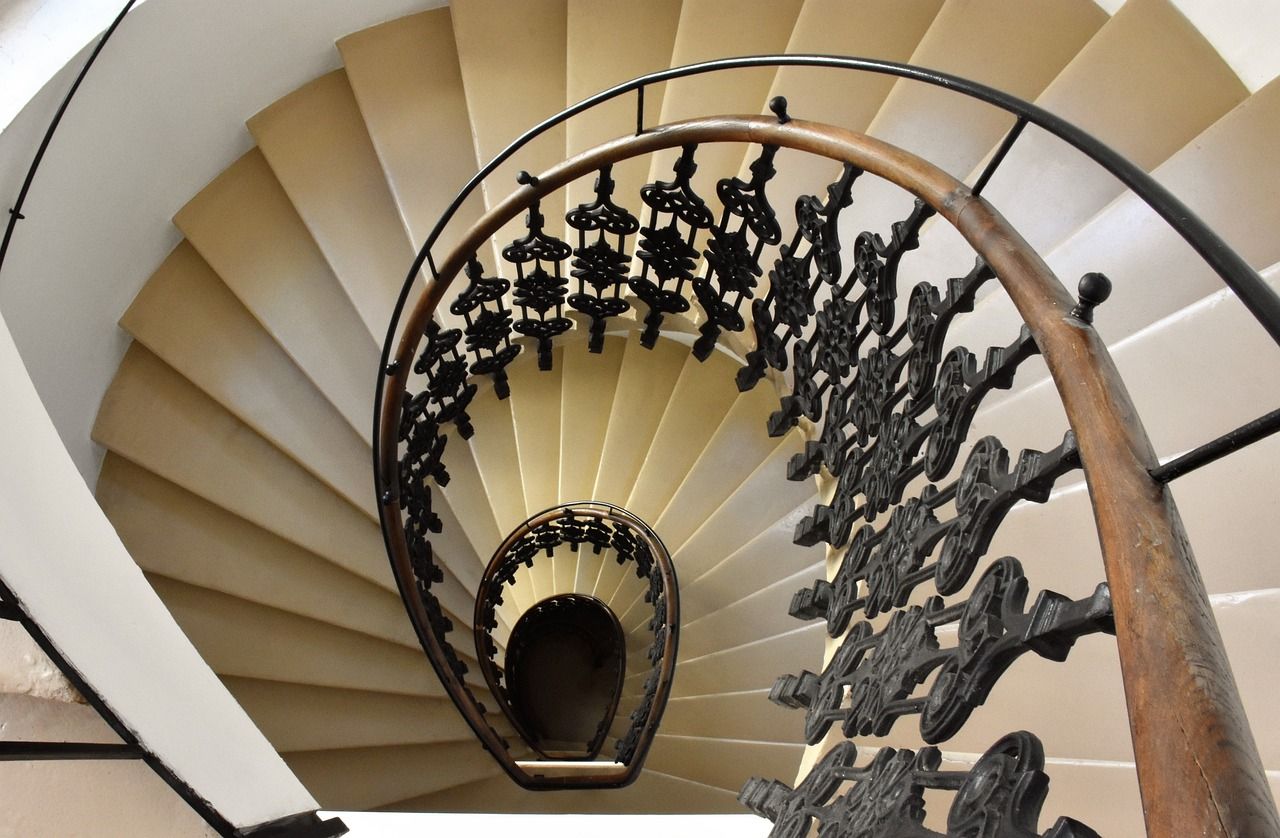
Contemporary spiral staircase.
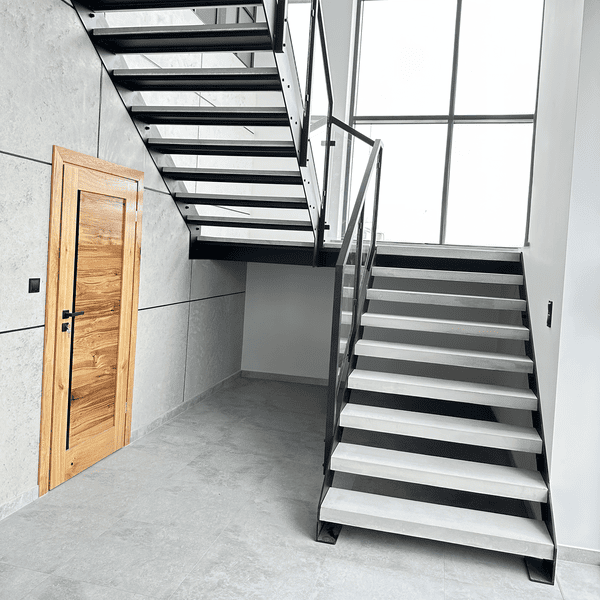
Today, classic spiral staircases can be made from a wide variety of materials, including steel, wood, concrete and glass. The timeless appeal of their design means they can be used to create a spectacular design in luxury homes, offices and public buildings, with finishes that can blend with virtually any type of interior design.
Spiral staircases continue to inspire architects around the world. In Linzhou, China, a 300-foot spiral staircase was built to give tourists a panoramic view of the Taihang Mountains.